

How to Brew the Perfect French Press Coffee at Home
How to Brew the Perfect French Press Coffee at Home
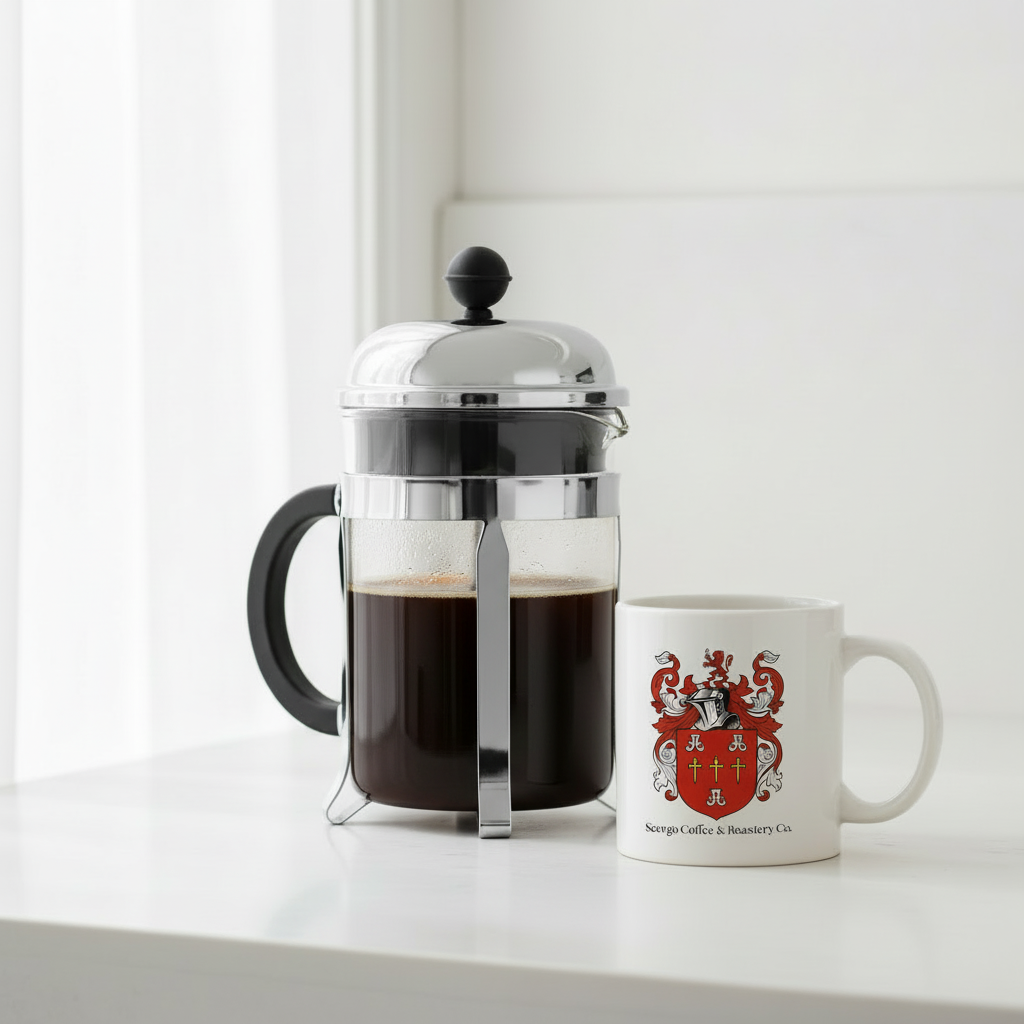
The French press, or cafetiere as we tend to call it here in the UK, is one of the most honest and satisfying ways to brew coffee at home. No pods, no subscriptions to a machine manufacturer, no specialist training required. Just coffee, hot water, and a few minutes of your time.
Yet despite its apparent simplicity, the French press is one of the most consistently misused brewing devices in the country. If you have ever been greeted by a mouthful of gritty sludge, a cup that tastes unnecessarily bitter, or something resembling muddy pond water rather than the rich aromatic brew you were expecting, you are in good company. The honest truth is that most people are making the same handful of correctable mistakes every single morning.
The good news is that a genuinely exceptional French press is well within reach. In this guide, we cover the full technique from start to finish, including the steps that most people skip and the variables that make the biggest difference. By the time you reach the end, you will have everything you need to brew a consistently clean, full-bodied, and delicious cafetiere every time.
Why the French Press Deserves More of Your Attention
The French press is what coffee professionals refer to as an immersion brewer. Rather than water passing through the grounds once, the coffee and water remain in direct contact throughout the entire brew. This extended contact allows the full range of oils, flavour compounds, and aromatic characteristics to transfer into the cup in a way that paper-filtered methods simply cannot replicate.
The result, when done correctly, is a cup with depth, body, and a satisfying richness that suits the flavour profiles of many specialty coffees extraordinarily well. The challenge is that this same direct contact is also what causes the problems when things go wrong. Getting the variables right transforms the French press from a blunt instrument into something genuinely brilliant.
The Most Common French Press Mistakes (And How to Fix Them)
Before diving into the step-by-step technique, it is useful to understand what typically goes wrong. Most poor French press coffee comes down to one or more of the following:
- Using a grind that is too fine. This is the single most common problem. Fine grounds pass straight through the metal mesh filter and sit at the bottom of your cup.
- Water that is too hot. Pouring freshly boiled water directly onto coffee grounds scorches them, adding harshness and bitterness to the cup.
- Not blooming the coffee. Freshly roasted coffee contains carbon dioxide that, if not released before the full brew, interferes with extraction.
- Stirring or agitating during the brew. This creates turbulence that disperses fine particles throughout the liquid.
- Pressing too hard and too fast. A fast, aggressive press disturbs the settled grounds and pushes fine particles back up into the coffee.
- Leaving the coffee sitting in the press. Once the brew time is up, the coffee continues to extract if it remains in contact with the grounds.
What You Need Before You Start
The Right Coffee Beans
Because French press is an immersive method with no paper filter to catch anything, the quality of your beans genuinely matters more here than with some other methods. At Scorgo, we roast every bag to order from our family-run UK roastery. For French press specifically, coffees with good body, natural sweetness, and lower to medium acidity perform best.
Scorgo Coffees Recommended for French Press
From our Crafted Collection, Number 4, Number 8, and Number 11 are excellent everyday French press choices with approachable flavour profiles and a satisfying body.
If you are looking to explore something with a little more complexity, Number 22 and Number 27 from our Signature Collection both perform beautifully in a cafetiere. For those occasions when only the best will do, Number 57 and the Number 82 Prestige Blend are both exceptional in a French press.
You can browse the full range here. If you prefer ground coffee, we grind to order at the appropriate coarseness for your chosen brew method.
Grind Size
You want a coarse, even grind for French press. The best way to visualise it is rough sea salt or coarse breadcrumbs. A burr grinder set to its coarsest setting is the ideal tool here.
Water Temperature
The ideal brewing temperature for French press is between 93 and 96 degrees Celsius. In practice, this means boiling your kettle and then leaving it to stand for 30 to 60 seconds before you pour.
Ready to Brew Something Brilliant?
Every Scorgo coffee is freshly roasted to order from our UK roastery. Find your ideal cafetiere coffee below.
The Step-by-Step French Press Brewing Technique
Follow these steps consistently and the difference in your cup will be immediately apparent.
Pre-warm Your Press
Pour a small amount of hot water into the empty French press, swirl it around, and discard it. This pre-warming step keeps the brew temperature stable throughout the process. It takes ten seconds and it matters.
Measure Your Coffee and Water
The standard starting ratio for French press is 1:15. That is one gram of coffee to 15 millilitres of water. For a 350ml press, use approximately 23 grams of coffee. Start with 1:15 and move incrementally from there based on your own taste.
The Bloom: Do Not Skip This Step
Add your coarse-ground coffee to the pre-warmed press. Pour just enough water to saturate the grounds, roughly twice the dry weight of the coffee. Watch the coffee for about 30 seconds. If your beans are freshly roasted, you will see the grounds swell and bubble as carbon dioxide escapes. This is the bloom. Allowing the gases to release at this stage ensures the remaining water can penetrate the grounds evenly during the full brew.
Pour and Leave it Alone
After the 30-second bloom, pour the remaining water slowly and steadily over the grounds until you reach your total target weight. Place the lid on the press with the plunger pulled fully upward, set a timer for four minutes, and then do absolutely nothing. No stirring, no swirling, no lifting the lid to check. Leave it undisturbed.
Press Slowly and Stop Early
When your timer sounds, press the plunger down with slow, steady, even pressure. Stop pressing before you reach the very bottom. Those final few millimetres are where the majority of the fine sediment and bitter compounds are concentrated. Stopping just short of the end makes a meaningful difference to the clarity and balance of your cup.
Decant Immediately
The moment you have pressed the plunger, pour the entire contents of the French press into a prewarmed jug or directly into cups. Do not leave brewed coffee sitting in the press. The grounds continue to extract even after plunging, and within a few minutes your carefully brewed coffee will become progressively more bitter and murky.
How to Get a Consistently Sludge-Free French Press
Use a coarse, consistent grind. An uneven grind produces fine particles that pass through the filter regardless of how carefully you press.
Do not stir during brewing. Agitation disperses fine particles throughout the liquid. Leave the press completely undisturbed once the full pour is complete.
Press slowly. A fast, forceful press stirs up the settled bed of grounds and sends particles into the coffee. Take your time.
Stop before the bottom. The last few millilitres of liquid in the press carry the most sediment. Leave them where they are.
Allow a brief rest before pouring. After pressing, give the coffee around 20 to 30 seconds before you pour. Any remaining particles will settle in this time.
Pour gently and stop early. Tilt the press smoothly and stop pouring before the very last of the liquid.
French Press Quick Reference Guide
| Variable | Recommendation |
|---|---|
| Grind Size | Coarse and consistent (rough sea salt texture) |
| Coffee to Water Ratio | 1:15 as a starting point (e.g. 23g coffee to 350ml water) |
| Water Temperature | 93 to 96 degrees Celsius (30 to 60 seconds off the boil) |
| Bloom | Saturate grounds and rest for 30 seconds before full pour |
| Brew Time | 4 minutes (adjust between 3.5 and 4.5 to taste) |
| Pressing | Slow and steady; stop before the very bottom |
| After Pressing | Rest 20 to 30 seconds, then decant immediately |
| Recommended Coffees | Body-forward, naturally sweet, low to medium acidity; chocolatey or nutty notes work exceptionally well |
It is also worth noting that the quality of your water plays a role. For more guidance on all aspects of home brewing, our brewing guides page covers each method in detail.
Choosing the Right Scorgo Coffee for Your Cafetiere
The Crafted Collection is an excellent starting point if you are new to specialty coffee or simply looking for an approachable, everyday cafetiere brew. If you want to explore specialty grade coffee with SCA scoring, the Signature Collection and Prestige Collection both offer coffees that bring remarkable complexity to a well-made French press. You can also keep an eye on our Limited Edition Seasonal Collection for rotating single origin releases throughout the year.
Never Run Out of Your Favourite Beans
Shop our full range of freshly roasted specialty coffees, or set up a subscription and let us handle the rest. Free UK delivery on orders over £35.
Frequently Asked Questions
What is the best grind size for French press coffee?
A coarse, consistent grind is essential. Think rough sea salt in texture. A burr grinder at a coarse setting gives you the most consistent result.
What water temperature should I use for a French press?
Between 93 and 96 degrees Celsius is the target. Boil your kettle and leave it to stand for 30 to 60 seconds before pouring.
How long should I brew French press coffee?
Four minutes is the standard starting point at a 1:15 ratio with a coarse grind. Our brewing guides offer further detail across all methods.
Why is my French press coffee full of sludge and sediment?
The most likely cause is a grind that is too fine. Using a coarse and consistent grind, pressing slowly, stopping just before the very bottom, and resting for 20 to 30 seconds after pressing before pouring will all significantly reduce sediment.
Do I need to decant my French press after brewing?
Yes. Decant immediately into a prewarmed jug or directly into cups the moment the plunger is pressed.
What type of coffee beans work best in a French press?
Coffees with good body, natural sweetness, and low to medium acidity tend to suit French press best. Browse our full range to find the right match for your palate.