

Single Origin Coffee Explained: What It Is and Why It Matters
Single Origin Coffee Explained: What It Is and Why It Matters
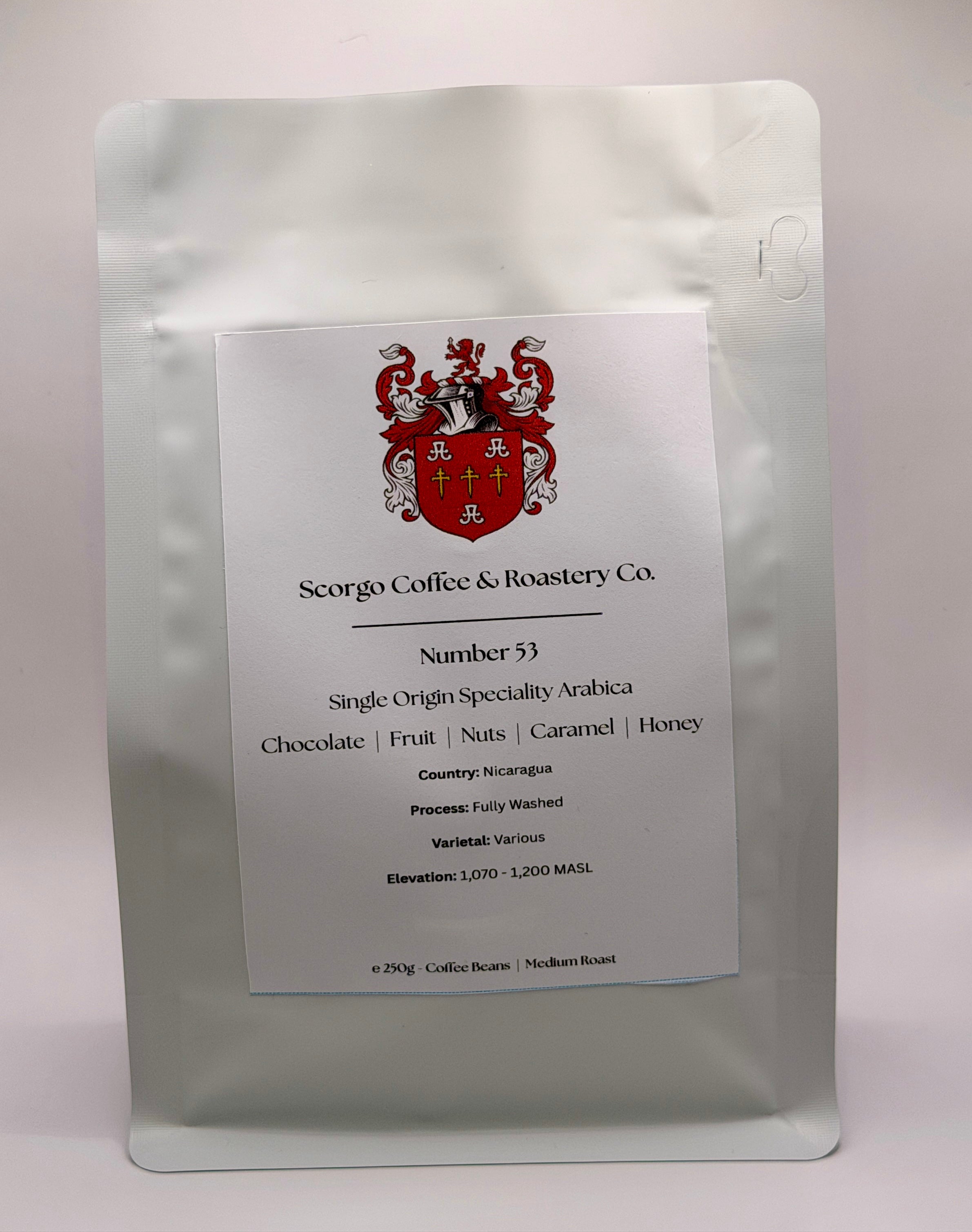
Single origin coffee can feel a little intimidating the first time you pick up a bag. The label is full of unfamiliar terms: a country, a region, an altitude, a processing method, a varietal, and then a list of tasting notes that reads more like a dessert menu than a cup of coffee. For many people, their honest reaction is something along the lines of: "I just want a decent cup of coffee, not a geography lesson."
We get it. And here is the thing: once you understand what all of that information actually means and how it shapes what ends up in your cup, the whole experience changes. Single origin coffee is not about being pretentious. It is about transparency, traceability, and taste. It is about knowing exactly where your coffee comes from and why it tastes the way it does.
In this guide, we are going to break it all down plainly and honestly, the same way we would explain it to a friend. By the end, you will know exactly what single origin coffee is, why the information on the label matters, and how to find one that genuinely suits your taste.
What Is Single Origin Coffee?
At its simplest, single origin coffee is coffee that comes from one place. That might be a single country, a defined region within that country, or in some cases a single farm or cooperative. The key distinction is that nothing has been mixed in from elsewhere. What you are drinking comes entirely from that one source.
This is what separates it from a blend. A blend is deliberately constructed by combining beans from multiple origins to achieve a consistent, balanced flavour profile that remains the same regardless of seasonality or crop variation. There is absolutely nothing wrong with that approach, and we produce some excellent blends here at Scorgo. But with a single origin, the flavour is shaped entirely by the place it came from and the conditions in which it was grown.
That means the climate, the altitude, the soil composition, the rainfall, the farming practices, the processing method, and even the varietal of coffee plant all have a direct and traceable impact on your cup. When you drink a well-sourced single origin, you are tasting a specific place at a specific time. It is about as honest as coffee can get.
Why Does Origin Matter So Much?
Coffee plants are remarkably sensitive to their environment. A bean grown at high altitude in Nicaragua at around 1,200 metres above sea level will develop very differently to one grown at lower elevation in Uganda at nearly 2,200 metres. The cooler temperatures at higher altitudes slow the growth of the coffee cherry, giving the bean more time to develop sugar and complexity. This is one of the key reasons that high-altitude single origin coffees tend to have such vivid, layered flavour profiles.
Different countries and regions also produce distinctive cup characters. Central American coffees from Nicaragua and Colombia tend towards brightness and clarity, often with citrus and floral notes. East African coffees from Uganda and Ethiopia frequently deliver bold fruit, chocolate depth, and wine-like complexity. South American coffees from Brazil and Peru lean towards nuttiness, chocolate, and a soft, rounded body. None of these is better than the other; they are simply different expressions of where the coffee was grown.
Ready to Explore Single Origin Coffee?
Browse our full range of freshly roasted single origin specialty coffees, all sourced via direct trade and roasted to order from our North East of England roastery.
Shop All Coffee Prestige CollectionWhat the Label on a Single Origin Coffee Is Actually Telling You
If you have ever stood in a coffee shop or looked at a bag of specialty coffee and felt slightly bewildered by the information printed on it, this section is for you. Each piece of detail serves a purpose, and once you understand what to look for, it becomes genuinely useful rather than overwhelming.
The Origin and Region
This is the most straightforward part: it tells you where the coffee was grown. Some bags will be specific down to the farm, cooperative, or washing station level. Others will list a country and a region. Either way, it tells you the foundation of what you are drinking.
At Scorgo, we source single origin coffees from Nicaragua, Uganda, Brazil, Colombia, and Peru, among others. Each of these origins has its own distinct growing conditions, and that character is what you taste in the cup.
The Varietal
The varietal refers to the specific cultivar or genetic variety of the coffee plant. Just as there are hundreds of varieties of apple, each with its own flavour profile, there are many varieties of coffee plant, and they taste noticeably different from one another.
Some of the better-known varieties include Bourbon, Typica, Caturra, and Catuai in Central and South America, and SL28, SL34, and Ruiru 11 in East Africa. Our Number 57 Uganda Single Origin, for example, is grown from the SL14 varietal at elevations between 1,900 and 2,200 MASL. That varietal at that altitude is a significant contributor to the juicy, fruit-forward character in the cup.
The Elevation
Listed in metres above sea level, or MASL, this tells you how high up the coffee was grown. Higher elevation generally means a denser, slower-maturing bean with greater flavour complexity. It is not the only factor, but it is a meaningful one. When you see a figure like 1,900 to 2,200 MASL, you are being told something real about the conditions that shaped that coffee.
The Processing Method
This is one of the most impactful pieces of information on the label and arguably the one people most often overlook. The processing method describes how the coffee cherry was treated after it was harvested, before the bean inside was dried and prepared for export. It has a profound effect on the flavour.
| Process | What Happens | Effect on Flavour |
|---|---|---|
| Washed (Fully Washed) | The fruit is removed from the bean before drying | Cleaner, brighter cup; the natural character of the bean and its terroir comes through clearly |
| Natural (Dry Process) | The bean is dried inside the fruit | Sweeter, fuller body; rich fruit complexity and increased sweetness |
| Honey | Some fruit mucilage is left on during drying | A balance between the two; sweet with good clarity |
Our Number 53 Nicaragua Single Origin is a fully washed coffee, which contributes to its clean, bright citrus and floral clarity. Our Number 57 Uganda Single Origin is naturally processed, which is why it carries that distinctive fruit depth and honey sweetness. Same quality level, very different experience in the cup.
The SCA Score
The Specialty Coffee Association (SCA) uses a standardised scoring system to grade coffee quality out of 100. Any coffee that achieves a score of 80 or above is classified as specialty grade. Scores between 80 and 84 represent very good quality with clear, distinctive characteristics. Scores from 85 upwards represent exceptional coffees with outstanding complexity and balance.
Our Number 53 from Nicaragua carries an SCA score of 84, and our Number 57 from Uganda scores an impressive 85, placing it firmly among some of the finest coffees available. Our Signature Collection, which includes single origin coffees from Brazil, Colombia, and Peru, features SCA-graded specialty coffees in the 80 to 83 range, all roasted fresh and delivered to your door.
Understanding Tasting Notes and Flavour Profiles
This is the part that either excites people or makes them roll their eyes. Tasting notes like "dark chocolate," "jasmine," "red cherry," or "toasted almond" can seem either poetic or baffling, depending on your perspective. The important thing to understand is this: those notes are not created by additives. Nobody has soaked the beans in raspberry syrup. The flavours develop naturally through the origin, varietal, processing method, roast style, and brewing technique.
"The flavour notes and their intensity depend on many things: your palate, water quality, grind size, brewing time and temperature, brewing method, and coffee freshness."
What you taste also depends on you. Your palate, your water quality, the temperature of your brew, your grind size, and even the equipment you use all play a role. This is why two people can brew the same coffee and describe it slightly differently, and both be completely right.
How to Approach Tasting Notes as a Guide
Rather than treating tasting notes as a guarantee of what you will taste, think of them as a signpost. They indicate the general character and direction of the coffee. If you enjoy chocolate and nutty flavours, you are likely to enjoy our Signature Collection, which includes the Number 22 Brazil and Number 27 Peru. If you prefer bright, fruit-forward profiles, the Prestige Collection with our Uganda and Nicaragua single origins will be more your style. And if you want to explore the full range before committing, our All Coffee collection gives you the complete picture.